Strong Singapore Dollar in 2026: Does It Affect City-Fringe Buyers?
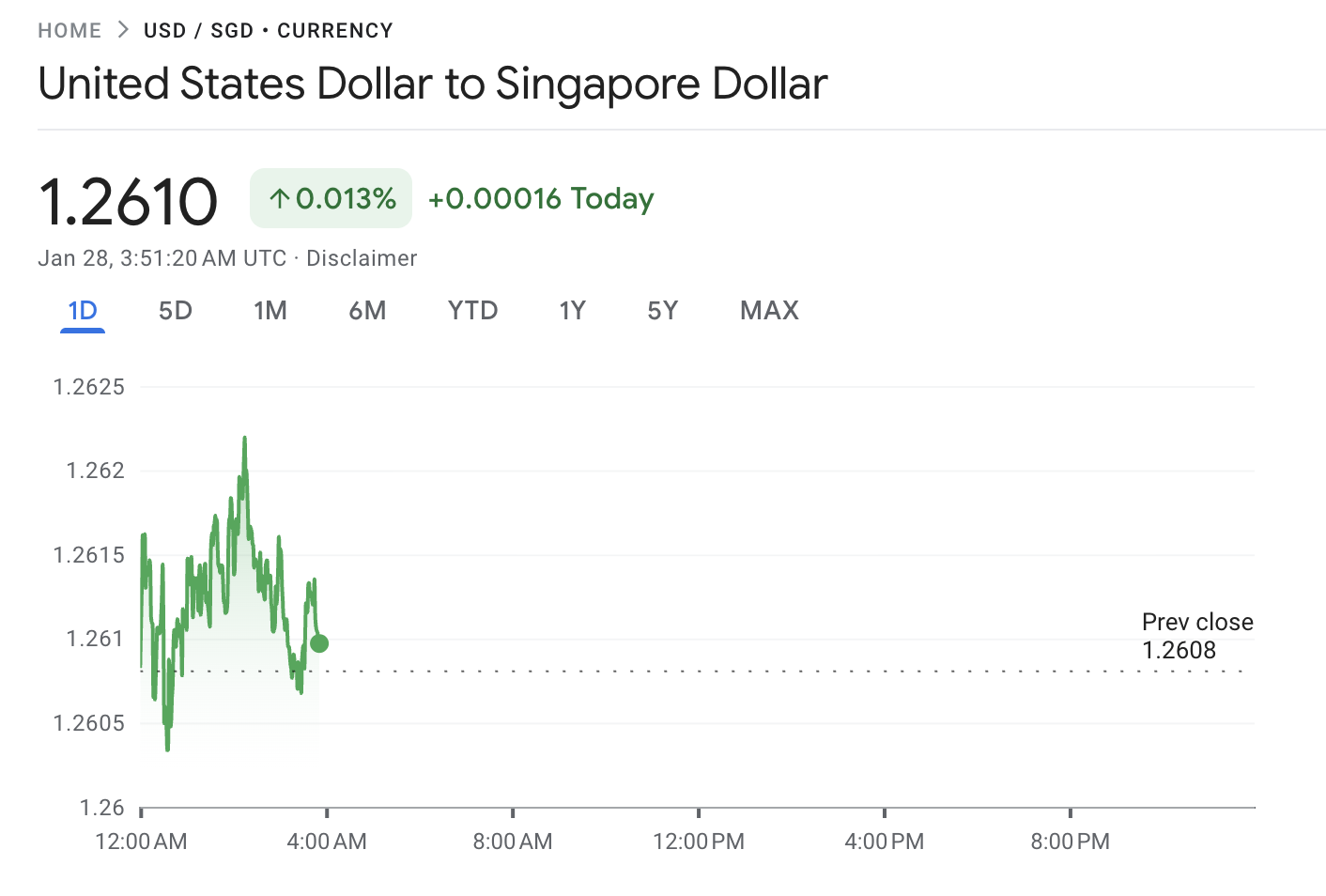
The Singapore dollar’s strength in early 2026 signals broader confidence in Singapore’s long-term economic direction. For buyers looking at Zyon Grand, the discussion goes beyond exchange rates and centres on how macro stability, urban renewal, and future growth corridors shape demand in emerging city-fringe districts.
While currency movements alone rarely drive buying decisions, they can influence sentiment, timing, and buyer mix in certain market segments.
The short answer is yes, but only for certain buyer profiles, and in specific ways.
What a stronger Singapore dollar really means
A stronger Singapore dollar reflects confidence in Singapore’s economy, policy stability, and interest rate management. While currency movements do not directly change property prices overnight, they do influence who finds Singapore property more attractive, and how overseas capital views long-term value.
For local buyers, the impact is limited. Mortgages, salaries, and property prices are all denominated in Singapore dollars. For foreign buyers, currency strength plays a bigger role.
Impact on foreign buyer affordability
When the Singapore dollar strengthens, foreign buyers using weaker currencies may find Singapore property more expensive in their home currency terms. This can moderate demand from some regions.
However, this does not apply evenly across all foreign buyers.
Singapore has five countries whose nationals are treated the same as Singapore citizens for residential property purchases under Free Trade Agreements:
- United States
- Iceland
- Liechtenstein
- Norway
- Switzerland
Buyers from these five countries are fully exempt from Additional Buyer’s Stamp Duty (ABSD) when purchasing residential property in Singapore.
With ABSD for foreigners currently at 60%, this exemption represents a substantial cost difference. In practical terms, an eligible buyer from these countries avoids a 60% tax that most foreign buyers must pay. This often outweighs short-term currency movements.
For these buyers, a strong Singapore dollar is less of a deterrent, especially when purchasing for long-term holding, own stay, or wealth preservation.
Why emerging city-fringe projects remain relevant
Projects in well-connected, established locations tend to benefit more from international buyer interest, regardless of currency cycles.
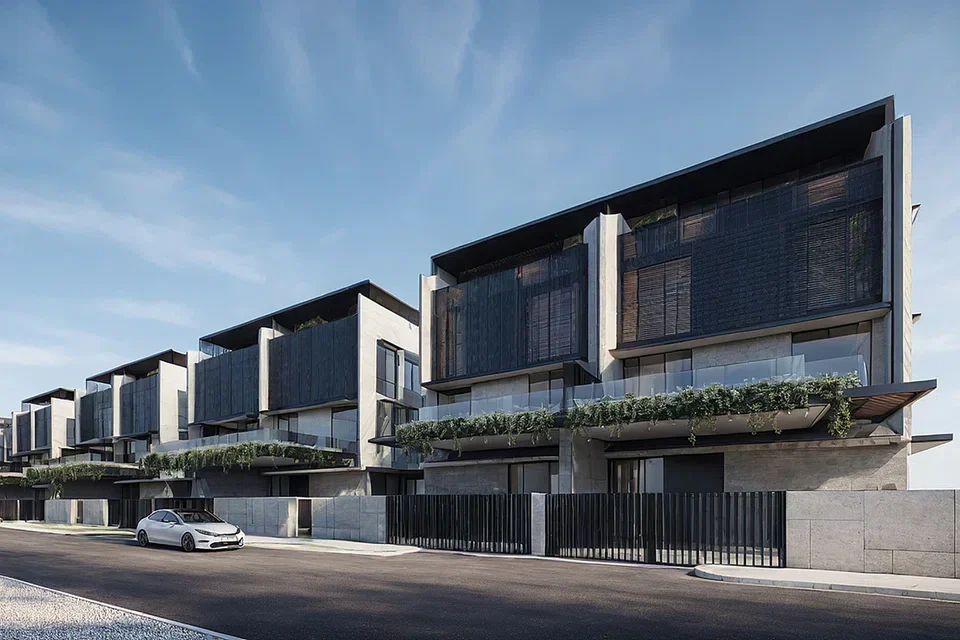
For buyers evaluating how macro stability aligns with future city-fringe transformation, further details can be found on the Zyon Grand homepage.
These projects are typically less sensitive to short-term currency swings and more aligned with structural demand drivers such as location, planning transformation, and supply discipline.
The bigger picture for 2026 buyers
A strong Singapore dollar does not automatically make property unaffordable or unattractive. Instead, it:
- Filters speculative demand
- Favours buyers with long-term intent
- Reinforces Singapore’s positioning as a stable capital destination
For eligible foreign buyers exempt from ABSD, the absence of a 60% tax often matters far more than exchange rate movements. For local buyers, currency strength is largely a background factor rather than a deciding one.
Bottom line
In 2026, a strong Singapore dollar is not a reason to delay buying property, especially in well-located developments with long-term fundamentals. For the right buyer profile, it may even reinforce confidence in holding Singapore real estate as a stable asset class.